Free Shipping on all order

Menu
Original price was: $24.99.$10.00Current price is: $10.00.
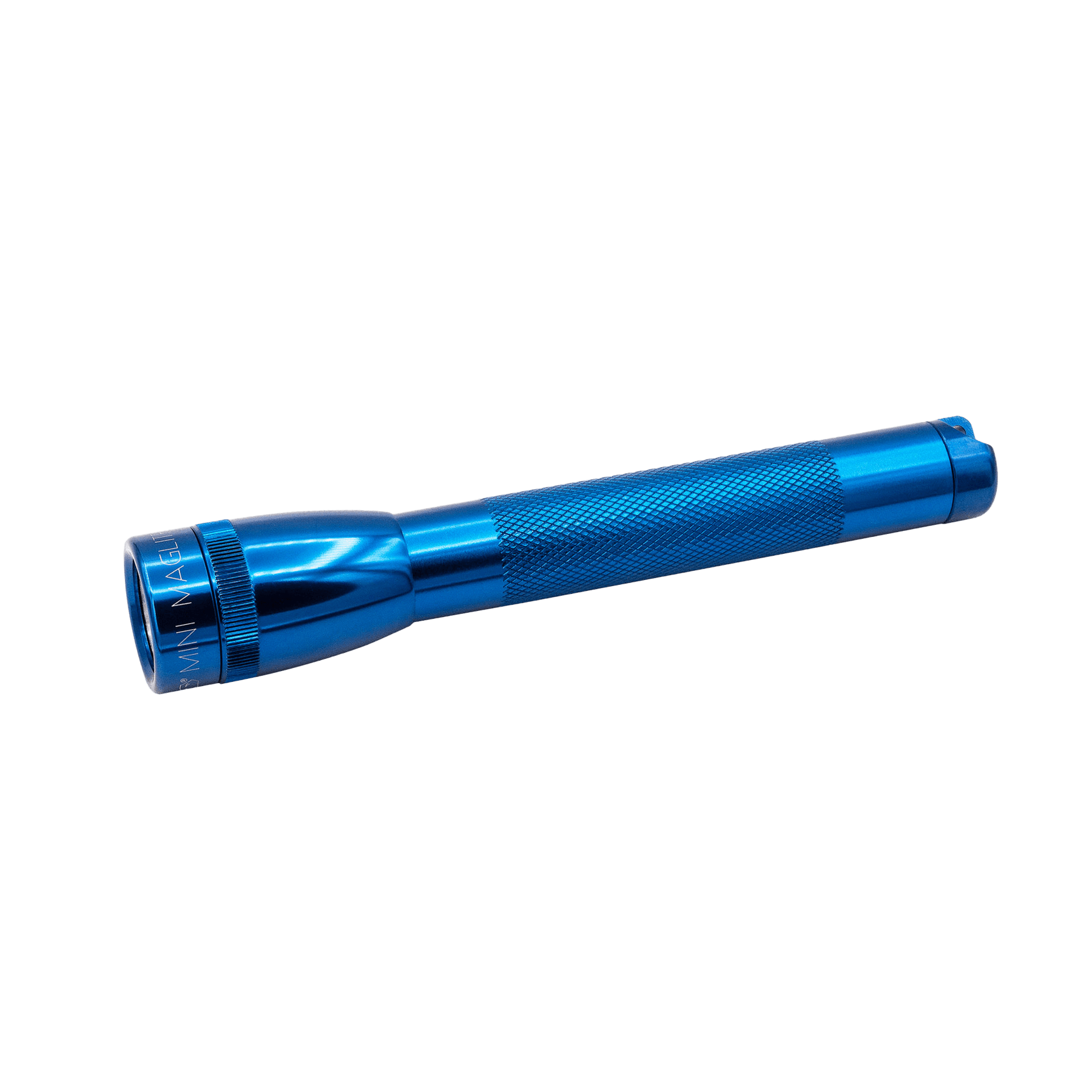
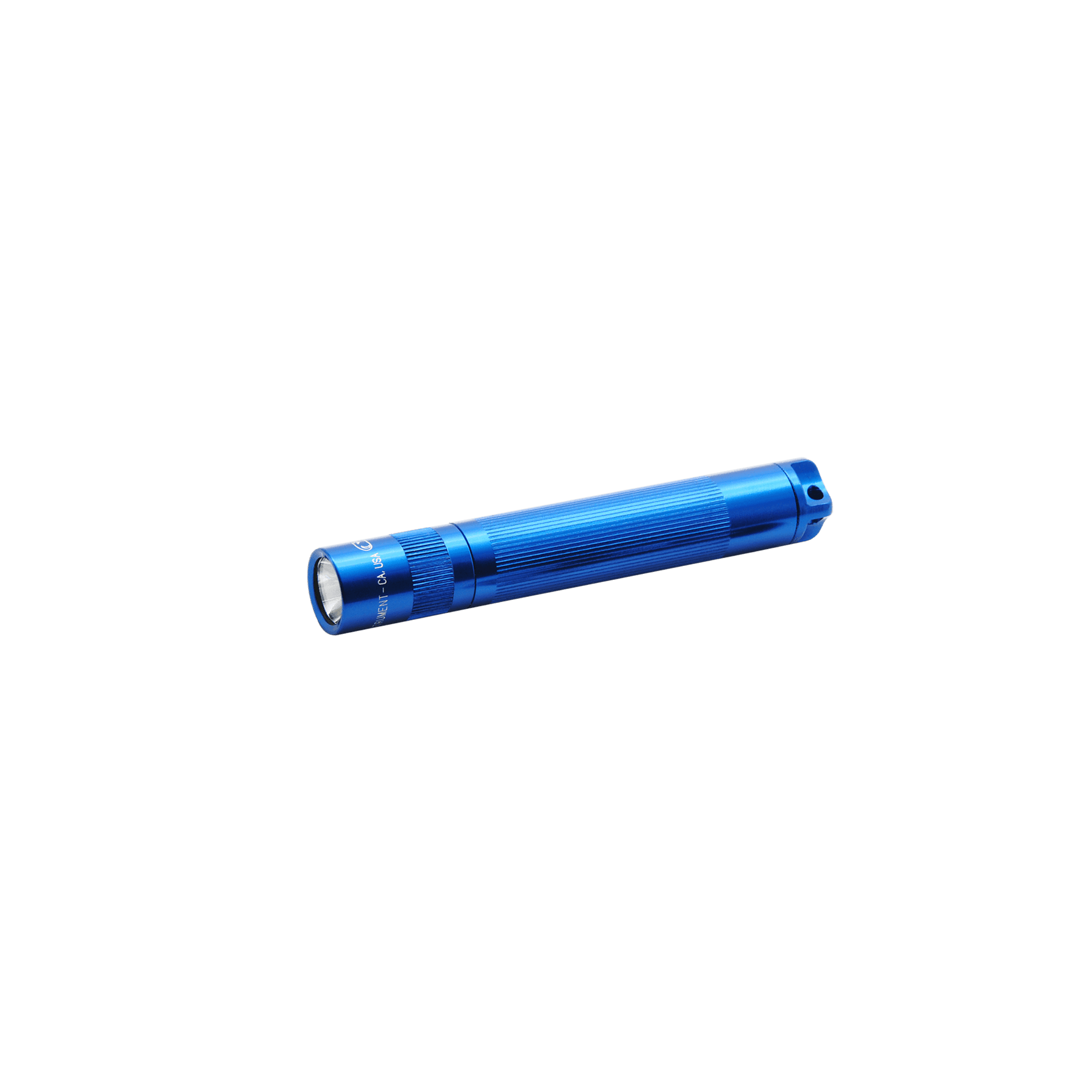
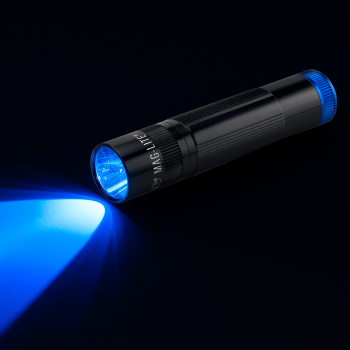
Forensic personnel and crime scene technicians use blue light to detect bodily fluids.
 Brightness
27 Lumens
 Beam Distance
71 Meters
 Peak Intensity
1,259 Candela
 Water Resistance
IPX4
 Runtime
32 Hours on Low
 Battery
2 AA Batteries Included
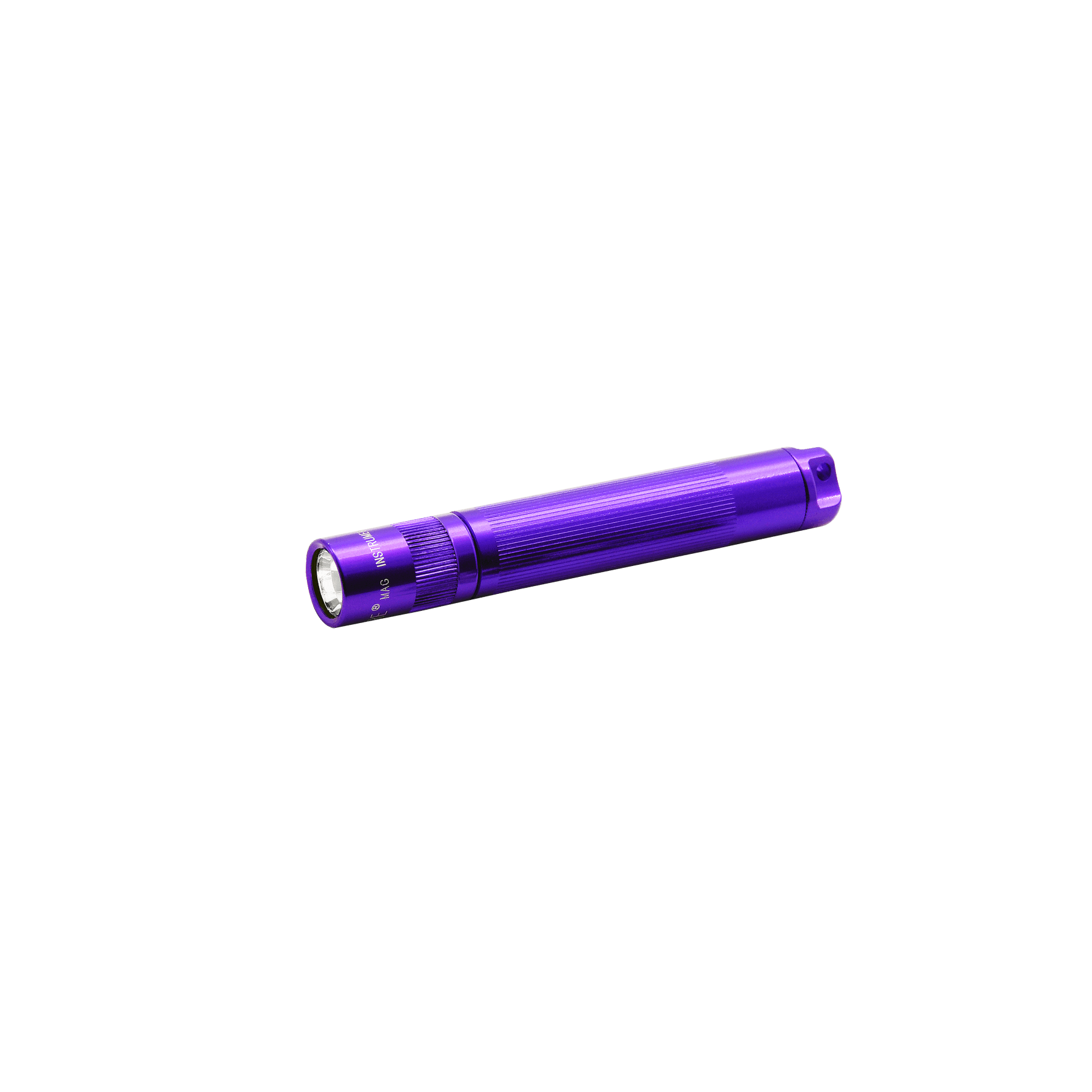
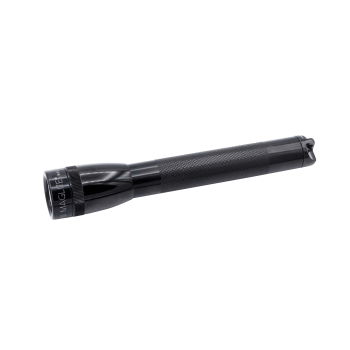
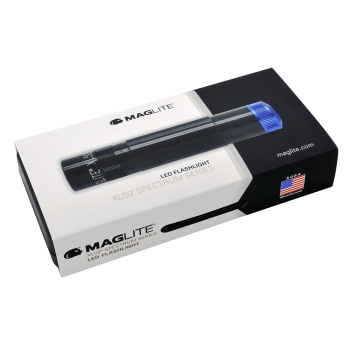
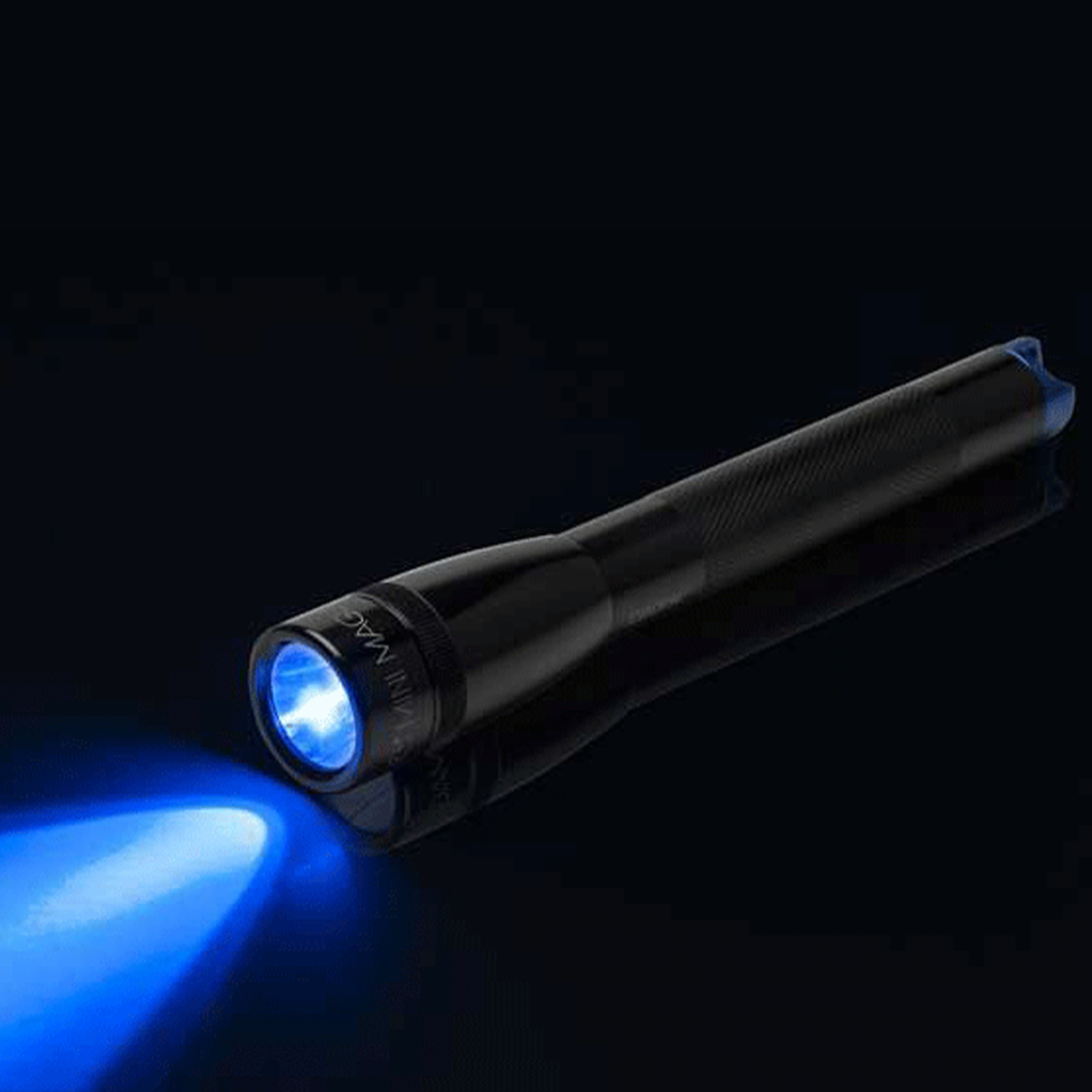
This Spectrum Series LED 2 AA features a blue beam., Blue is the preferred light source for pilots. Great for reading maps in low light or no light environments. Blue light provides excellent detail and does not wash out symbols, notes, or elevation markers on maps. Hunters use them for blood tracking. Forensic personnel and crime scene technicians use blue light to detect bodily fluids. Modes included: High, Low, Blink, Strobe.
Light Source LED
Drop Resistance 1 m
Weight with Batteries 4.15 oz
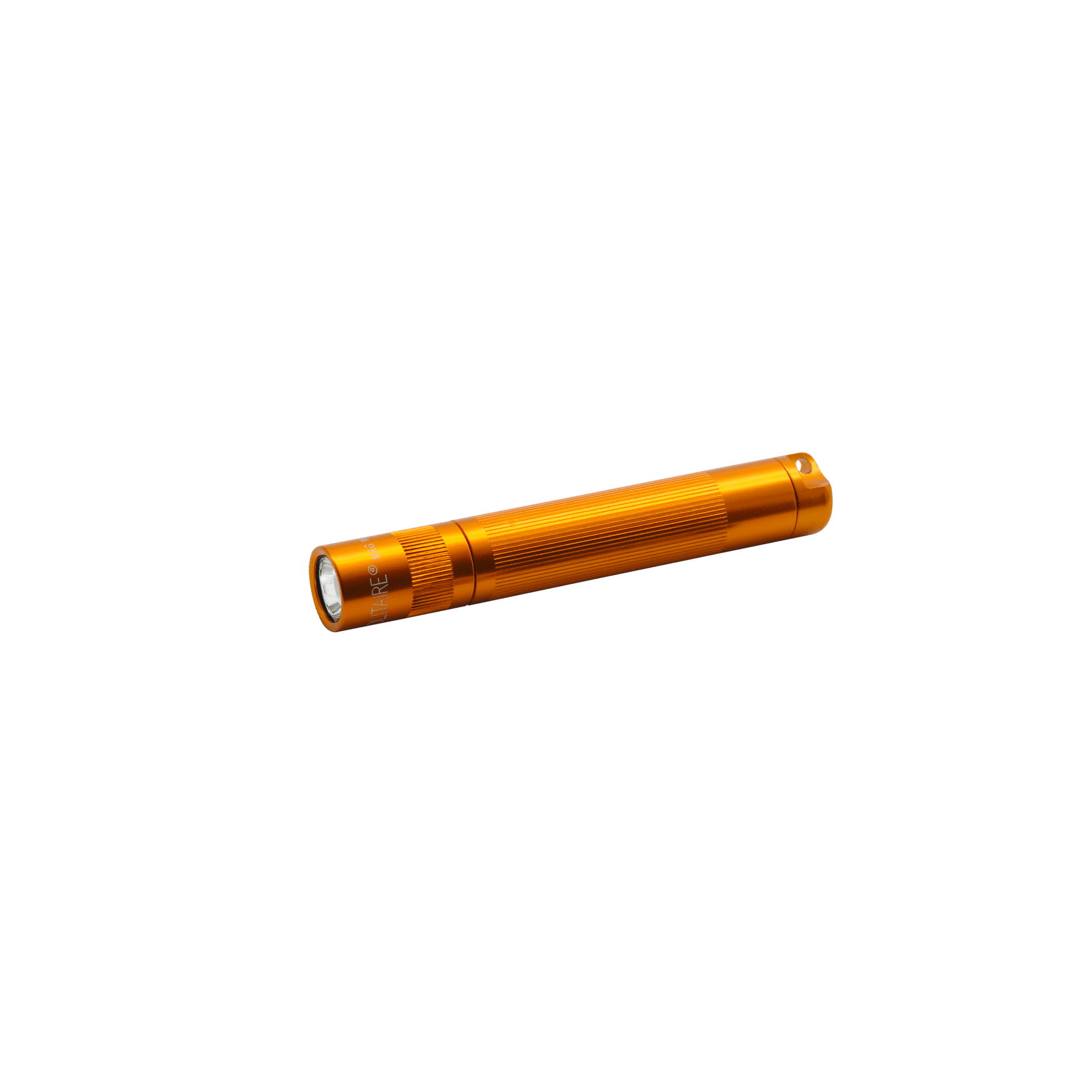
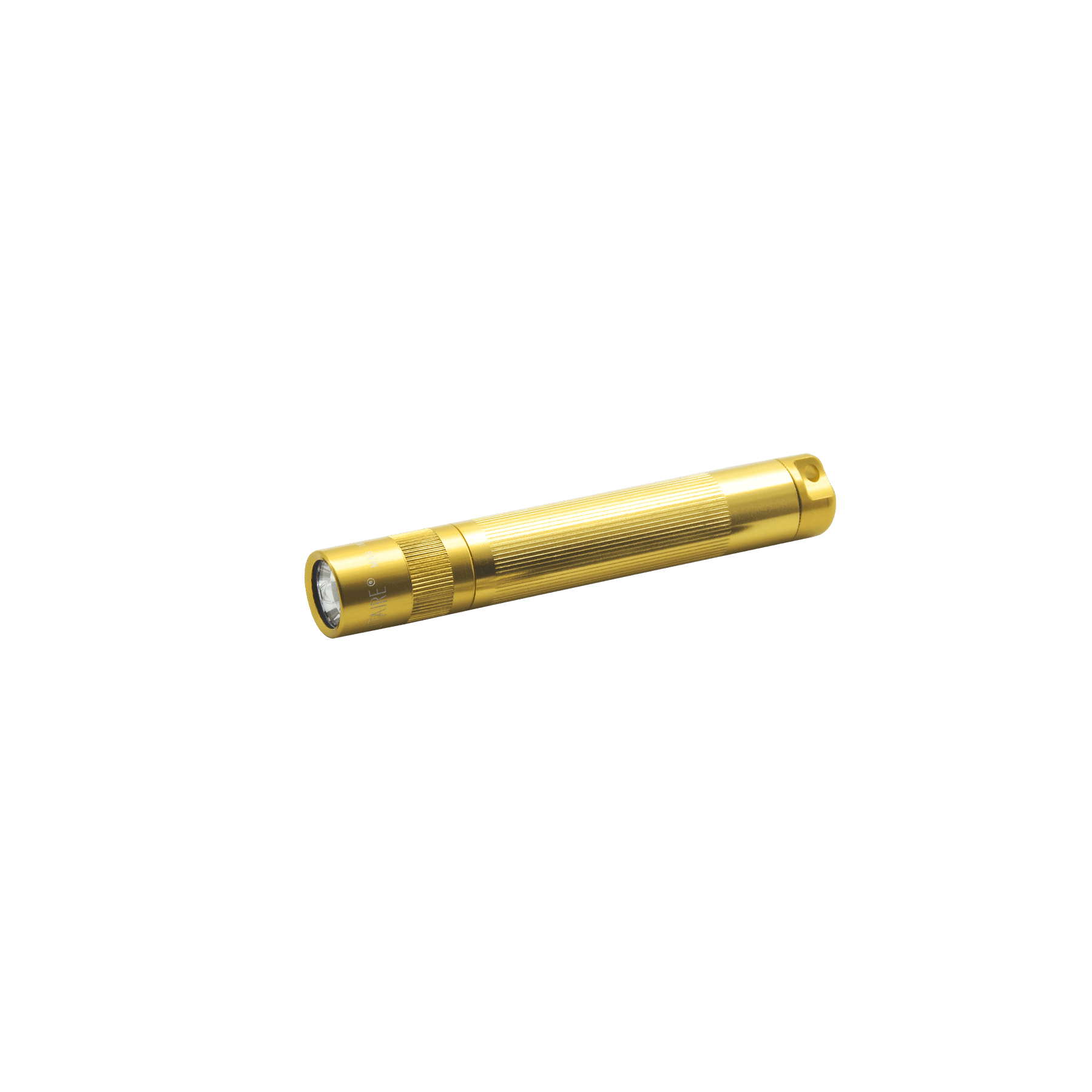
Dimensions 6.6" X 1"


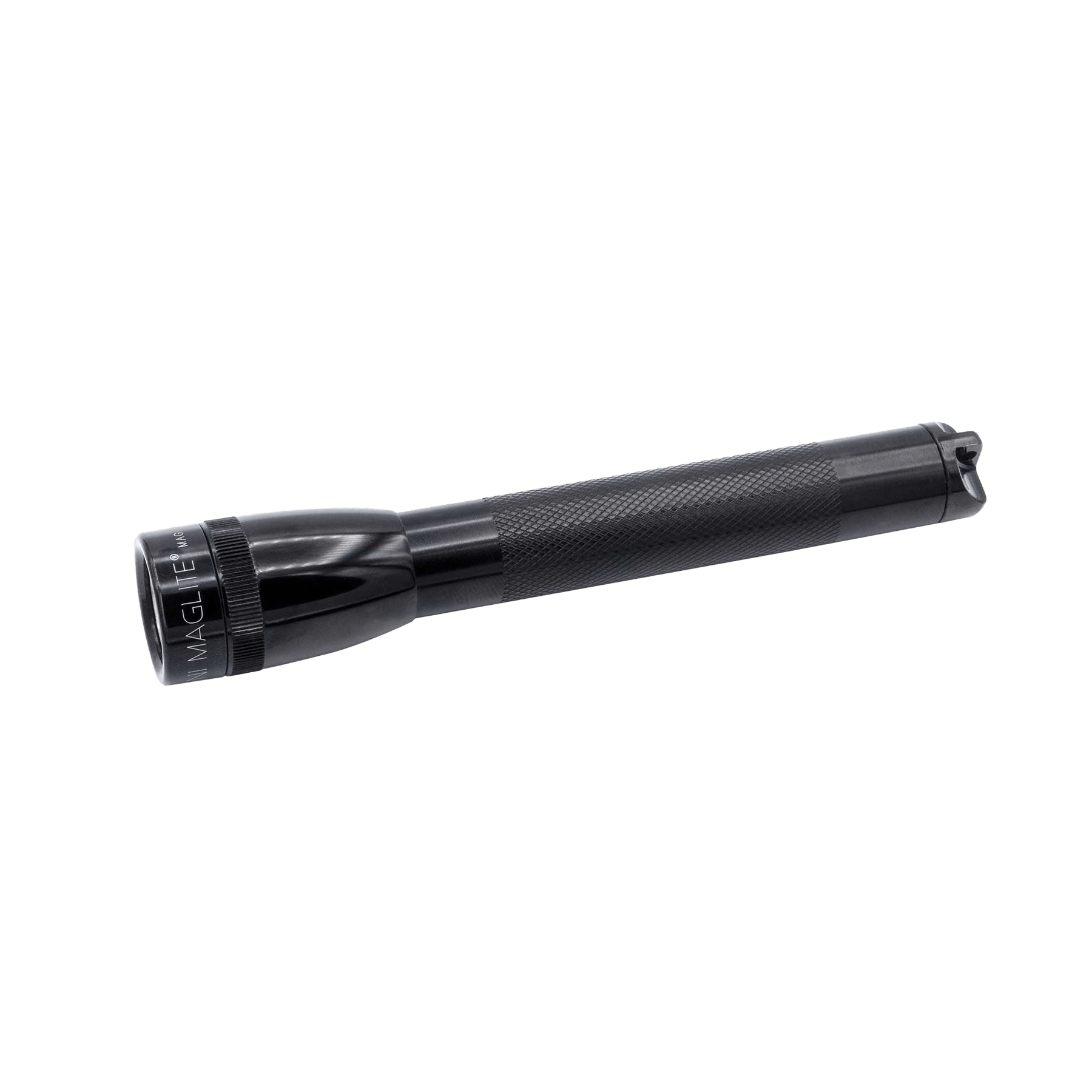
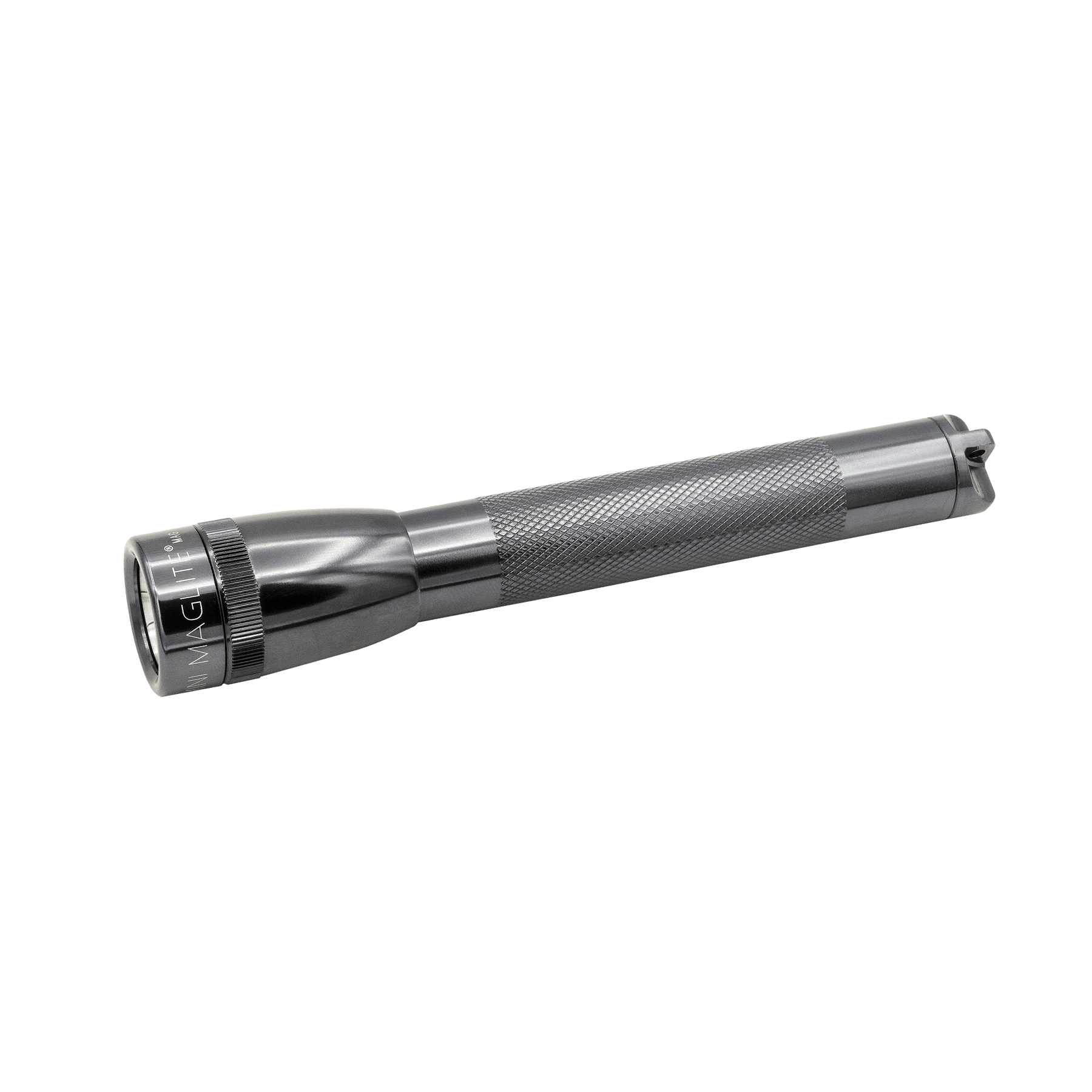
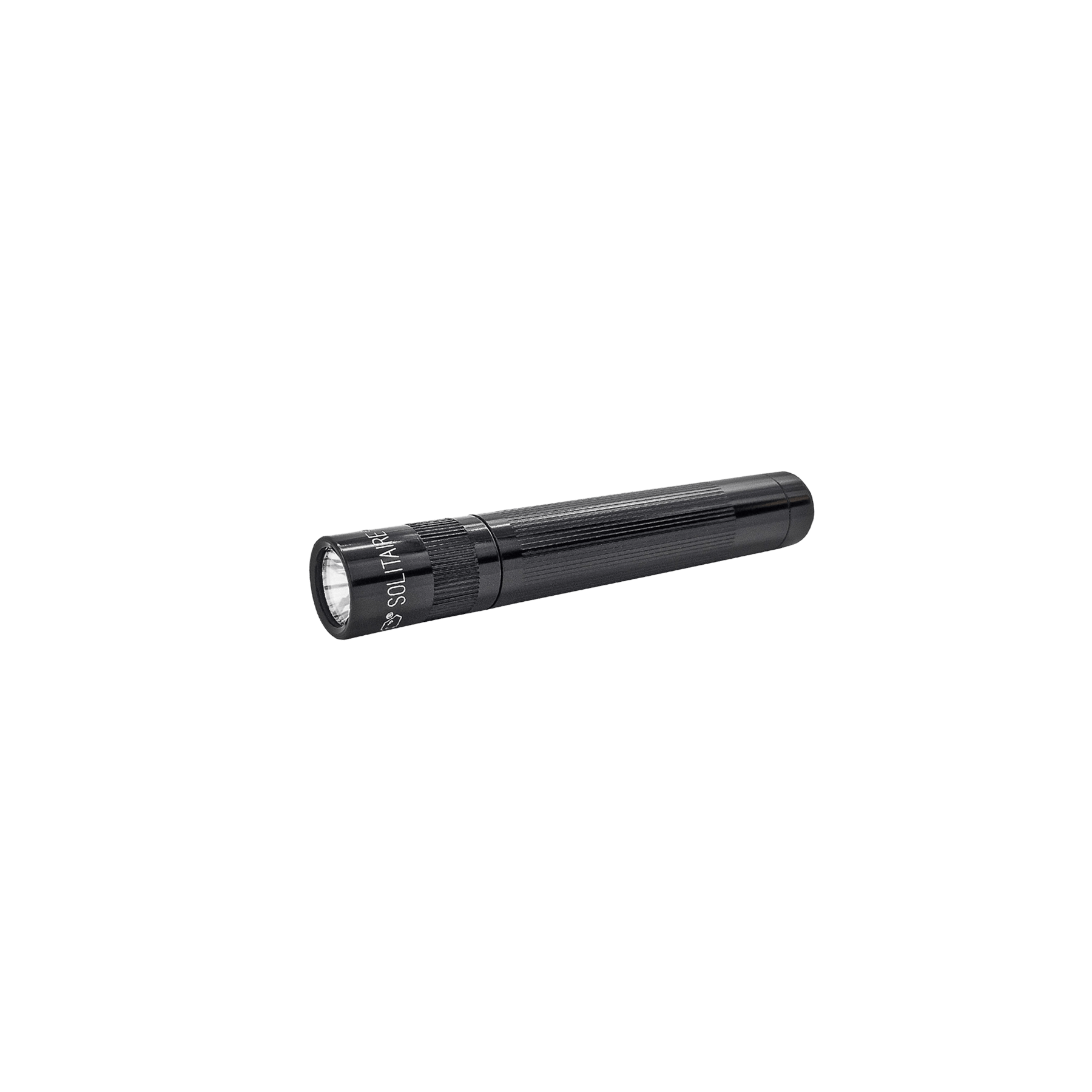
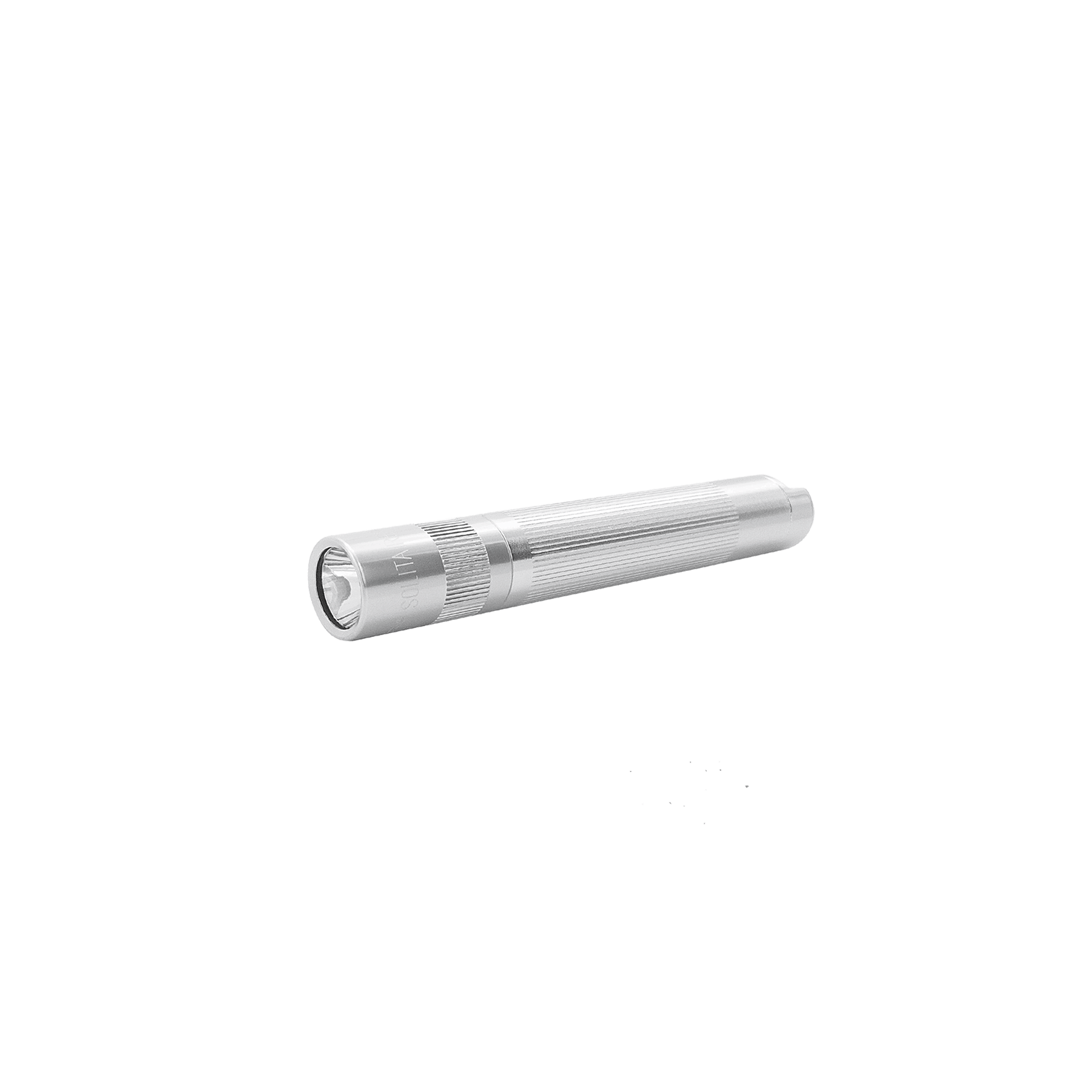
First introduced in 1988, this pocket-sized legend has been a trusted companion for generations.
Designed for those who demand reliability and clean, no-nonsense functionality.
An icon of classic American design, and famous around the world for its performance and reliability.
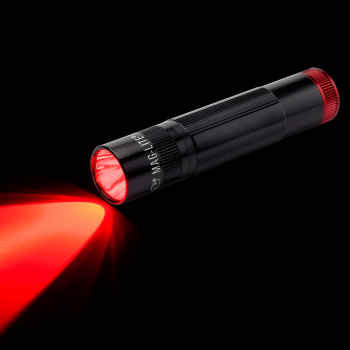
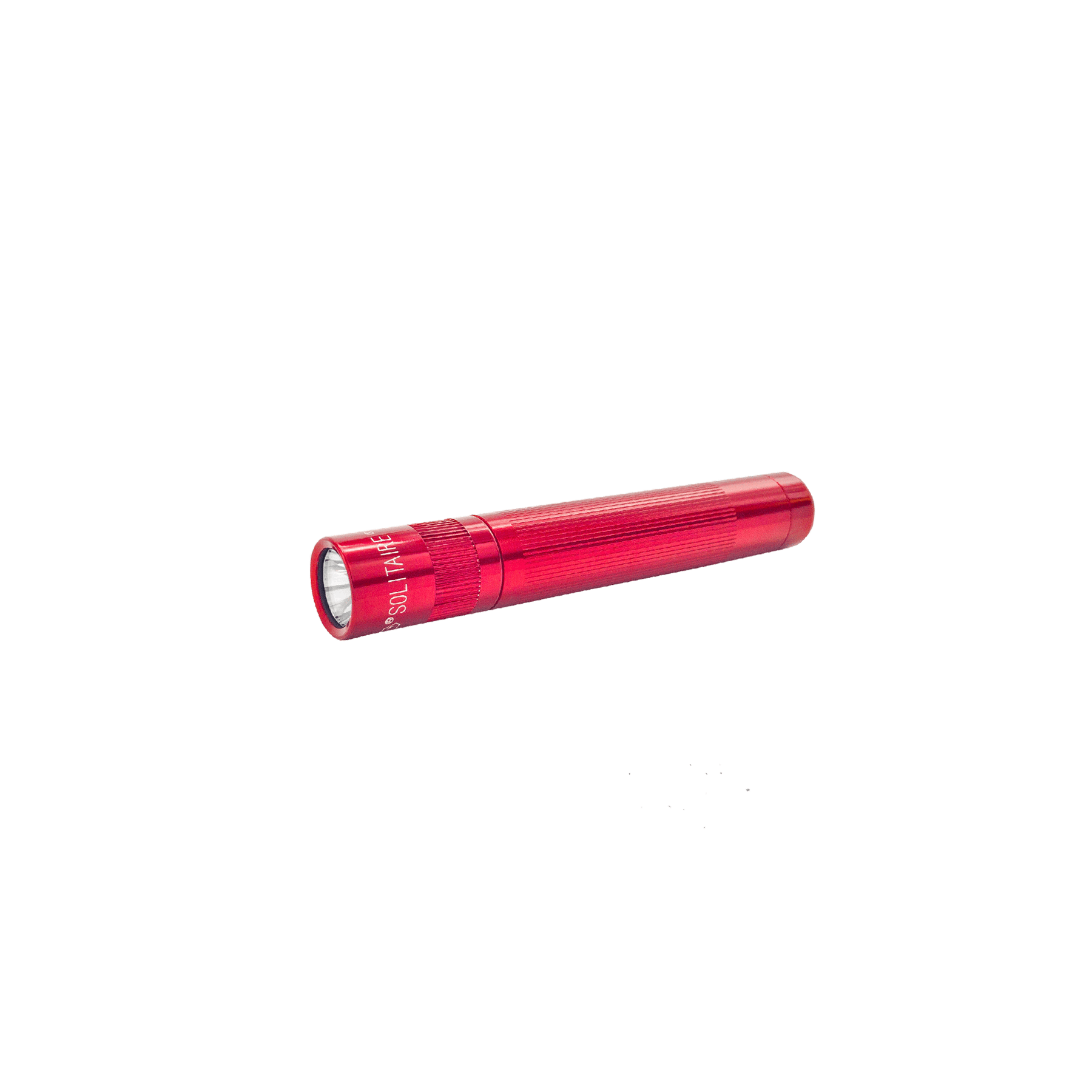
Red light features a red beam and is the best light source for protecting a person’s night vision. Modes included: High, Low, Strobe.
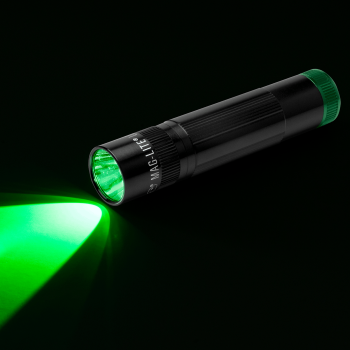
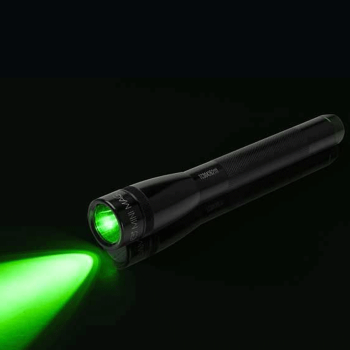
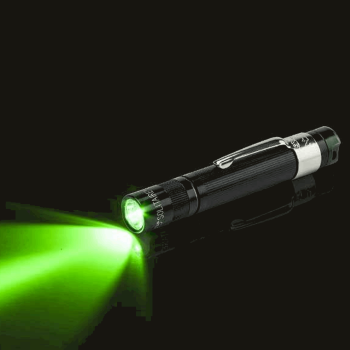
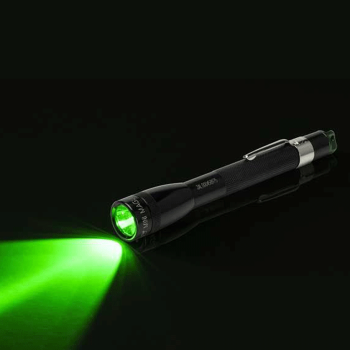
Great rescue light for as green LED flashlights can be seen up to a mile away. Modes included: High, Low, Strobe.
First introduced in 1988, this pocket-sized legend has been a trusted companion for generations.
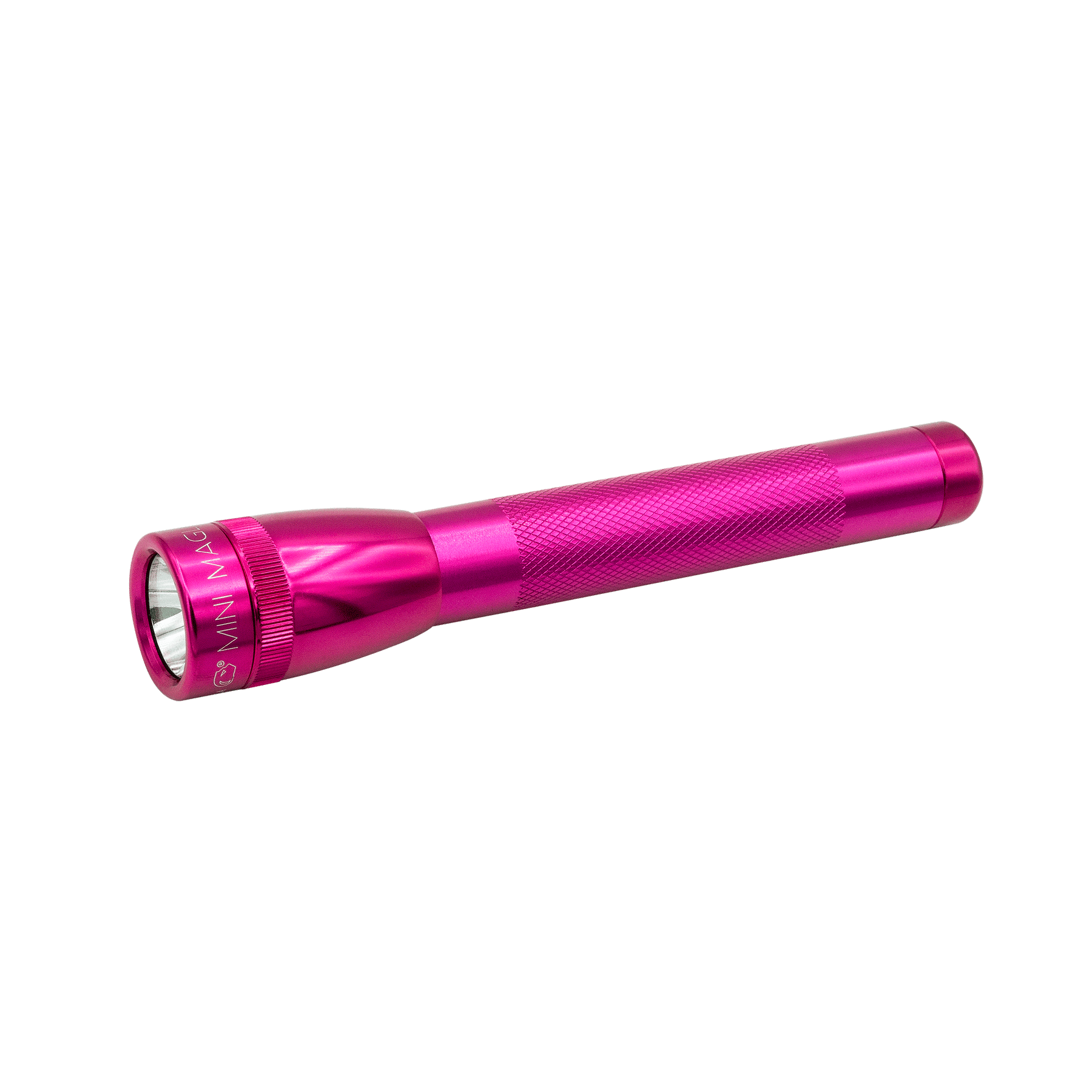
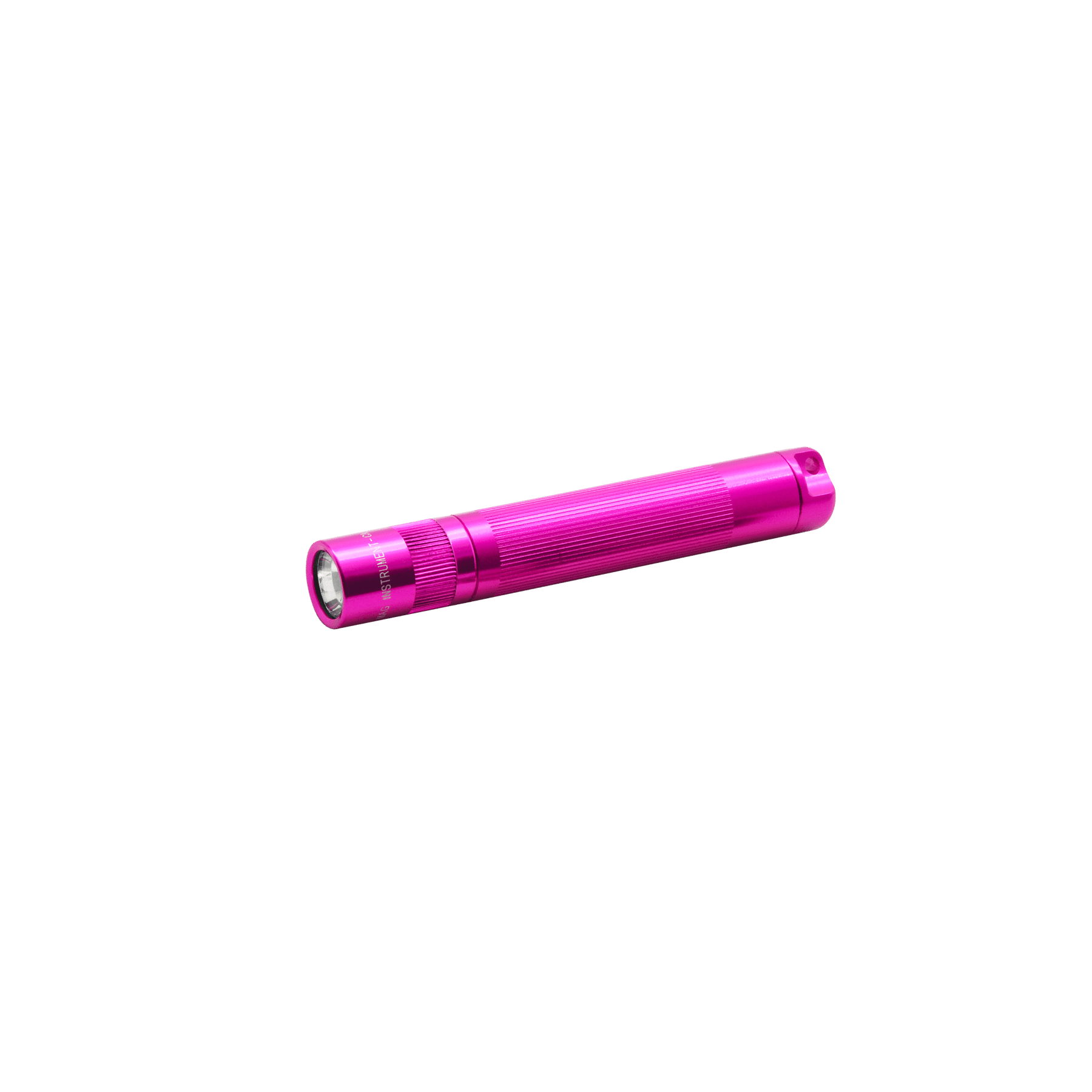
Mag Instrument is a proud sponsor of the National Breast Cancer Foundation. 5% of gross retail sales from this product will be donated to NBCF.
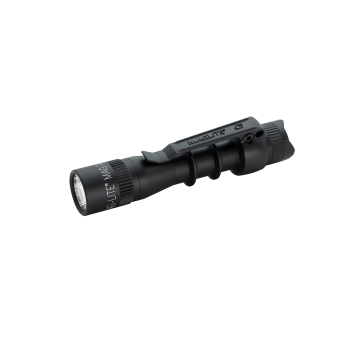
This compact tactical flashlight features a crowned strike bezel, ultra-bright 320-lumen LED, and military-grade durability—ready for duty or emergency use.
Green LED flashlights can be seen up to a mile away making this flashlight great for rescue situations.
Great rescue light for both the professional rescuer and the average consumer; green LED flashlights can be seen up to a mile away.
Green is great for outdoors as animals, insects, and fish typically do not react to seeing a green led light source.
Forensic personnel and crime scene technicians use blue light to detect bodily fluids.